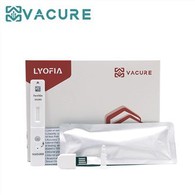


Package size
100 Tests, 50 Tests, 25 Tests, 10 Tests, 5 Tests, 100 Tests (N-QC), 50 Tests (N-QC), 25 Tests (N-QC), 10 Tests (N-QC), 5 Tests (N-QC).
Intended use
This device is intended to be used for the in vitro qualitative detection of 6 items in human whole blood or plasma related to the respiratory infection, including antibodies against Mycoplasma pneumonia (M. pneumonia), Respiratory syncytial virus (RSV), human Adenovirus (hAdV), Coxsackie virus (CoxV), Influenza A (Flu A) and Influenza B (Flu B). And it is for professional use only, not for self-testing of untrained individuals, nor for near-patient testing.
Summary
Mycoplasma pneumoniae, like the other members of the genus, lacks a bacterial cell wall and has one of the smallest bacterial genomes known. For several essential biomolecules such as fatty acids, amino acids, precursors for nucleic acids and cholesterol M. pneumoniae depend on the host. M. pneumoniae can cause tracheobronchitis and primary atypical pneumonia with clinical symptoms such as nonproductive cough sore throat, low-grade fever, and middle-ear involvement. Together with the bacteria Chlamydia pneumoniae and Legionella spp./ pneumophila it belongs to the common agents causing 'Atypical Pneumonia'.
Due to the lack of a cell wall all β-lactam antibiotics (e.g. penicillin, cycloserine) are not effective. Other antibiotic therapies which are usually ineffective on bacteria such as the use of polyenes acting on the cholesterol of the cell membrane allow for an avenue to fight M. pneumoniae. However, the most efficient way for a host to fight off a Mycoplasma infection is through its immune response.
Respiratory syncytial virus is a leading cause of lower respiratory tract infections and hospitalizations in infants and children, with most children having had an RSV infection by two years of age.
In children five years of age or younger, there are over 3 million hospitalizations and over 100,000 globally estimated deaths from lower respiratory RSV infections. More recently, due in part to diagnostic improvements, RSV has also been associated with a substantial disease and health economic burden in older adults.
Adenoviruses have a linear double stranded ~ 40 kb DNA genome, containing 30-40 genes. The virus affects membranes of the respiratory tract, eyes, intestines, and urinary tract. Symptoms of respiratory illness range from the common cold to pneumonia and bronchitis. Adenoviruses account for about 10% of acute respiratory infections in children and are a frequent cause of diarrhea. The disease is usually mild and requires at most a symptomatic treatment. Immune-compromised patients are vulnerable to severe complications of Adenovirus infections. Transmission is airborne or fecal route. The 51 serotypes of human adenovirus (HAdV) are divided into six groups named from A to F. Respiratory diseases are mainly due to virus from groups B and C, conjunctivitis to groups C and D, while the causative virus for gastroenteritis is probably limited to group F viruses (types 40 and 41 only). Routine diagnosis is accomplished by antigen testing, serology, or PCR.
Coxsackievirus is an enterovirus, which is a common type of virus that infects the human body through the respiratory tract and digestive tract. After infection, people will have fever, sneezing, coughing and other cold symptoms. Coxsackie viruses are divided into two groups based on their pathogenicity in suckling mice; group A contains 24 types and group B 6 types. Numerous reports of Coxsackie virus B outbreaks involving adults have established the considerable importance of these viruses as a cause of acute pericarditis and myocarditis.
Influenza and lower respiratory tract infections are significant causes of worldwide morbidity and mortality. Influenza virus is globally estimated to cause over one billion infections and 500,000 deaths each year, with the highest burdens in infants and young children, the elderly, and those with underlying medical conditions such as chronic lung disease. Influenza types A and B can cause human epidemics; however, in the case of most human pandemics, novel strain emergence and a greater overall disease burden is attributed to type A.
The current clinical methods include fluorescence immunochromatography, chemiluminescence and so on.
PRODUCT PARAMETER
TEST PARAMETER | |||
Method | Microfluidic Fluorescent Immunoassay | Test | DISKFLU® RVAb-6 |
Format | DISC | Reaction Time | 15min |
Detection | FLU A/ FLU B / RSV / ADE / SARs2 / CoxV | Interpretation | Negative ≤ 1 |
Sample | WB / P | Certificate | CE/NMPA |
ORDERING | |||||
Cat. No. | DMIN6R10 | Applicable analyzer | DISKFLU | Kit Size | 10T |
Cat. No. | DAIN6R10 | Applicable analyzer | DISKFLU 1000 (Full-Automatic) | Kit Size | 10T |
APPLICATION SCENARIOS

Hospitals

Laboratory

Clinics

Ambulance

Cardiology

Pediatrics

Emergency

CSC
FAQ
Q: What is our product testing time?
A: There are 5-15 minutes, CRP is 5 minutes, and most others are 10 minutes.
Q: Can I apply for free reagent samples?
A: Yes.
Q: Does whole blood sample hemolysis, lipidemia, or fibrin, etc., have any effect on the product?
A: There will be an impact, so be careful.
Hot Tags: multiple respiratory antibody test kit, China, suppliers, manufacturers, factory, pricelist, quotation