



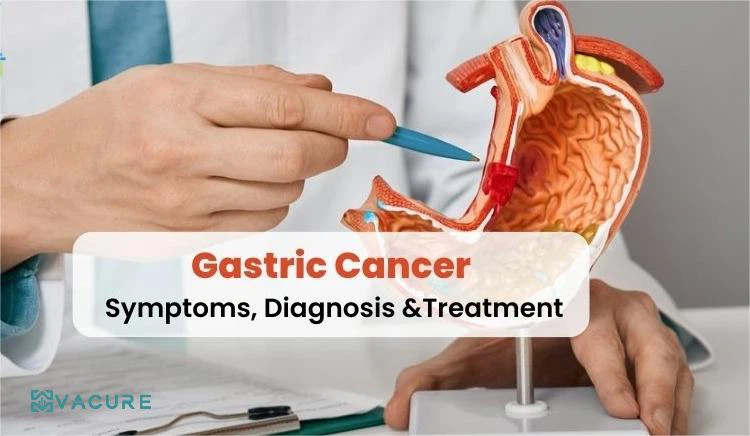
Gastric cancer is a cancer that occurs in the stomach. The initial cancer cells are derived from the mucosal epithelial cells of the stomach. The most common pathological type is adenocarcinoma.
The 5-year survival rate after surgery for early gastric pain can reach 90.9% to 100%. However, there is still a lack of effective treatments for advanced gastric cancer. Even with active comprehensive treatment, the 5-year survival rate is still less than 30%.
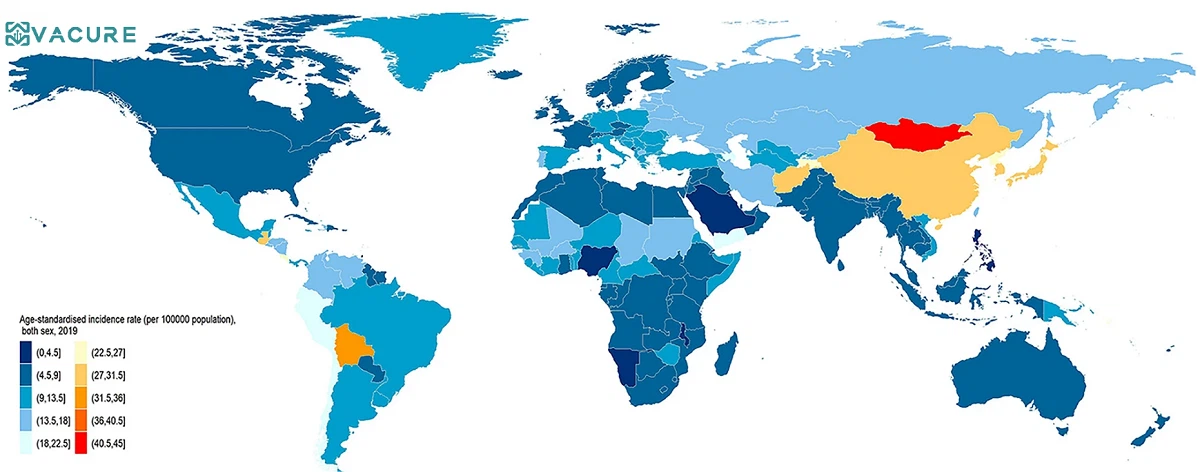
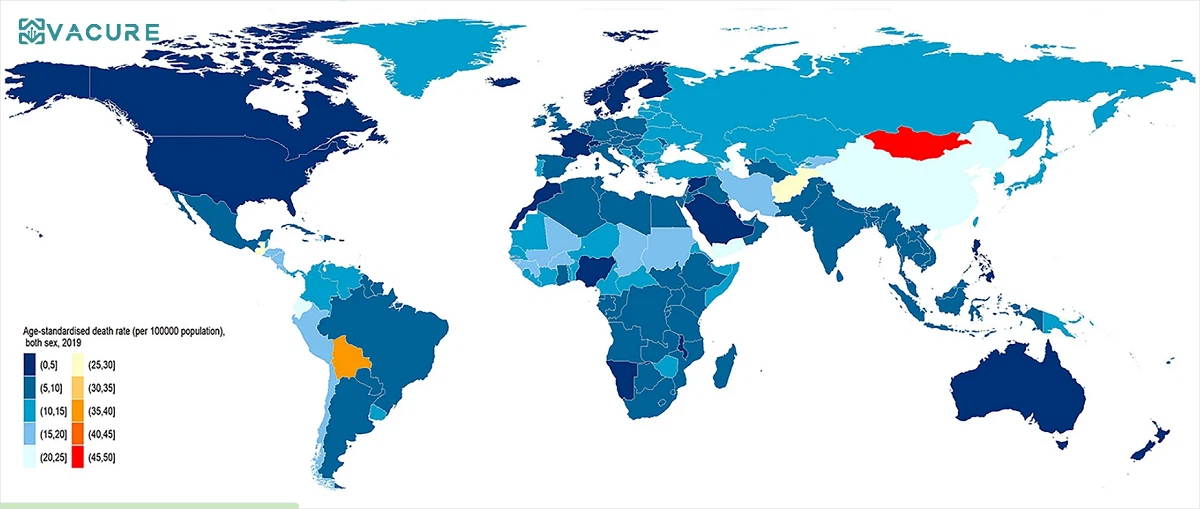
Gastric cancer or stamoch cancer, is the fourth most commonly diagnosed cancer in the world and has the second highest mortality rate among all cancers,the fifth leading cause of cancer,according to WHO, accounting for 7% and 9% of cases respectively. It is regarded as an important international health crisis. It is most common in East Asia, South America, and Eastern Europe, and is twice as common in men as in women.
However, it is difficult to self-discover, it is vital to get to know it to stay away from Gastric Cancer.
What are the symptoms?
The clinical symptoms caused by gastric cancer do not have the most obvious specific self-test signs, but clinically, there are relatively common symptoms according to the early, middle and late stages of gastric cancer, which can be used as self-test signs of gastric cancer.
 Early stage
Most patients have no obvious symptoms, but some may have symptoms such as lack of appetite, early satiety, acid reflux, and belching.
Mid-term
The most obvious symptom in the self-assessment of mid-term gastric cancer is upper abdominal pain. It may be dull or dull pain at first, and then there may be a tingling sensation, and the pain has no obvious pattern.
Late stage
The stomach pain is more severe at this time, mainly due to inflammatory substances and gastric acid irritating the gastric mucosa and gastric wall, causing pain. It is often accompanied by vomiting blood and bloody stools, and some may be accompanied by obvious cachexia, that is, the patient is obviously weight loss.
What are the risk factors?
Genetics
Overall, first-degree relatives of gastric cancer patients have a higher probability of developing gastric cancer than ordinary people.
Family history of gastric cancer. If a blood relative in the family suffers from gastric cancer, the chance of other people suffering from gastric cancer is 2-3 times higher than the average person. There is a type of gastric cancer called "hereditary diffuse gastric cancer". It is caused by CDH1 mutations. People who carry this mutation have a more than 70% chance of developing gastric cancer in their lifetime, and they may get sick at a very young age. Aging: Gastric cancer increases rapidly after the age of 50, and age changes play a significant role. Studies have pointed out that it may be related to the higher incidence of atrophic gastritis in the elderly.
Helicobacter pylori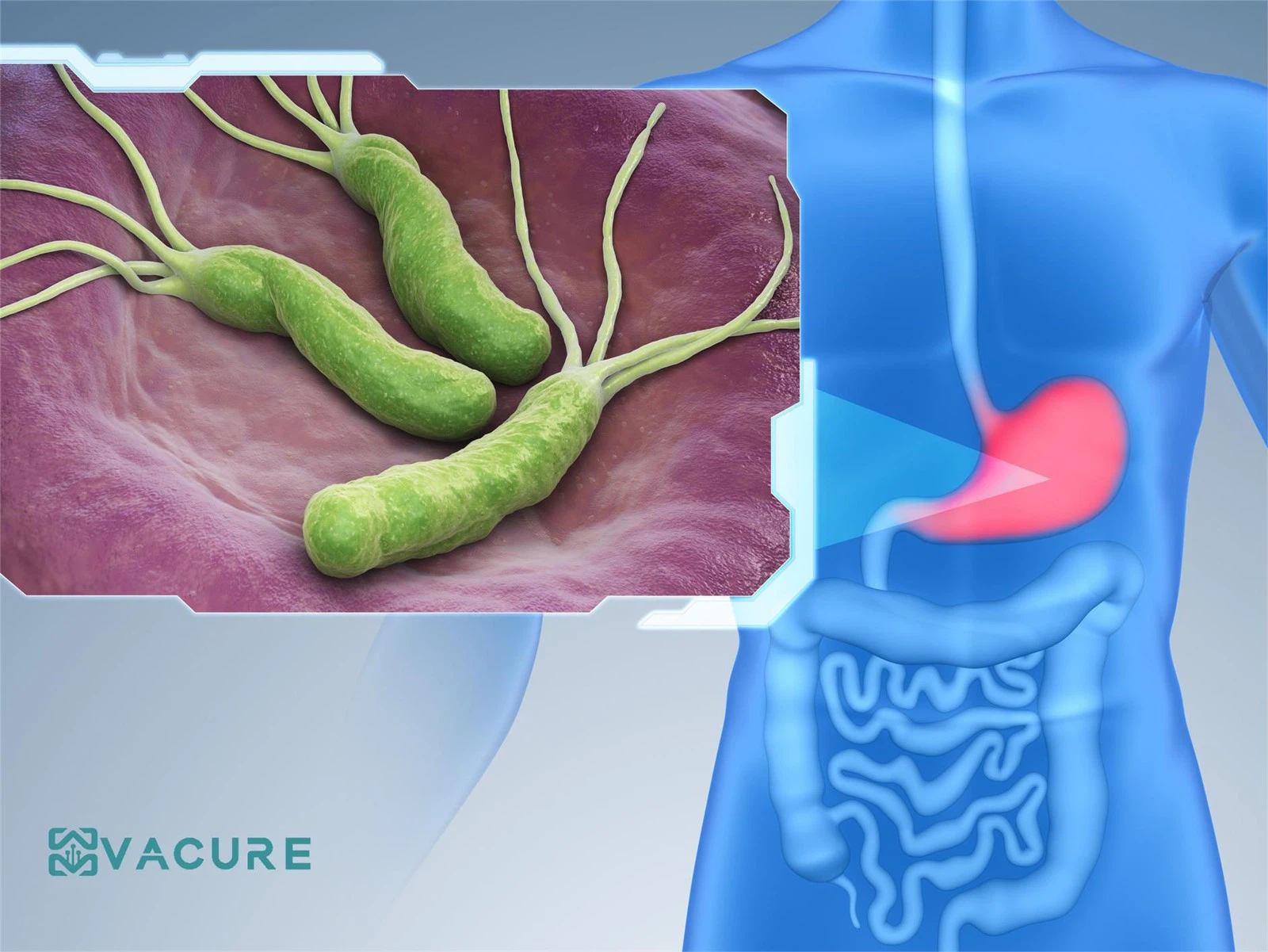
Helicobacter pylori infection is one of the best established risk factors for gastric cancer. People who are infected are at significantly greater risk than people who are not infected. Long-term infection of the stomach with this bacteria can cause chronic atrophic gastritis and some immune inflammatory reactions.
If there is a family history of gastric cancer in your family, early treatment is highly recommended. It should be noted that infection with Helicobacter pylori will increase the risk of cancer, but it does not mean that you will definitely get gastric cancer after infection.
Bad lifestyle
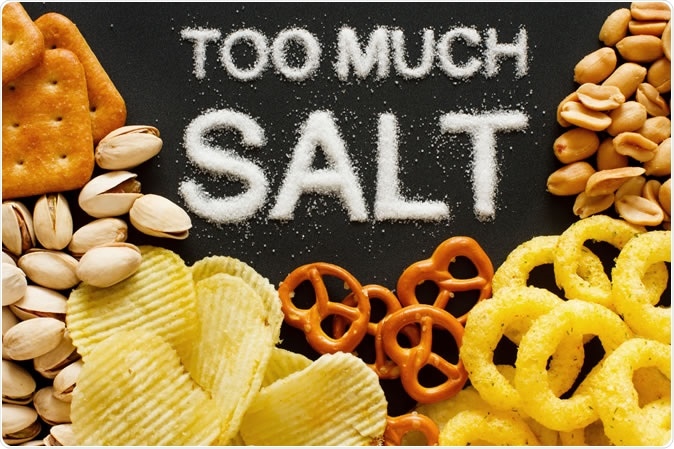 Diet:
Diet:
Long-term consumption of high-salt foods will damage the gastric mucosa and increase inflammation and the risk of cancer.
In addition, pickled foods may contain excessive amounts of nitrite. After entering the body, they are metabolized into nitrosamines, a strong carcinogen, which can cause gastric cancer.
Lifestyle:
Lack of exercise, tobacco and alcohol abuse: It is known that men are twice as likely to develop gastric cancer as women, which may be due to gender itself or because men smoke and drink more.
Pernicious anemia
Pernicious anemia is the result of a deficiency in vitamin B12 due to the inability of the stomach to produce a substance. Between 1 and 12% of these people will develop stomach cancer.
The occurrence of gastric cancer is the result of the long-term action of multiple factors, among which genetic risk and poor lifestyle are the two key factors leading to gastric cancer.
Lifestyle adjustments are crucial to preventing gastric cancer. Eat more fresh vegetables and fruits, avoid high-salt and moldy foods, avoid overeating and eating hot foods; quit smoking and limit alcohol; maintain an optimistic mood and good attitude, and actively treat chronic gastric diseases and Helicobacter pylori Infect.
Early recognition, early detection and early treatment of gastric cancer are very important.
How to screen it?
Gastroscopy is very important for early detection of gastric cancer. It is recommended that people at high risk of gastric cancer have a gastroscopy every year, and people who are not at high risk are recommended to have a gastroscopy starting at the age of 40, and then every 3 to 5 years.
How to diagnose it?
At present, endoscopy and biopsy are still the "gold standard" for early diagnosis of gastric cancer and are the most effective screening methods for gastric cancer.
Tumor marker detection
The four commonly used gastric cancer tumor markers in clinical practice are carcinoembryonic antigen, cancer antigen 724, cancer antigen 199 and pepsinogen. The English abbreviations are CEA, CA72-4, CA19-9 and PGI & PGII respectively.
The diagnosis and treatment of gastric cancer requires accurate classification. Different types of gastric cancer have different prognosis and different diagnosis and treatment plans.
 HER-2 testing
HER-2 testing is very important for treatment selection for gastric cancer patients.
HER-2 is an important growth factor receptor that can promote cell division and proliferation and plays an important role in the growth and spread of many cancer cells,which means there is no HER~2 staining on the cell surface, indicating it is negative result.
Patients with HER-2 negative gastric cancer usually require traditional treatment methods, usually surgery and chemotherapy.
For positive cases, the prognosis is relatively better if the indicator is negative, but at the same time, such patients are not suitable for targeted drug treatment of the corresponding gene. When HER-2 is overexpressed in gastric cancer cells, it is called HER-2-positive gastric cancer, which is a unique disease subtype in which cancer cells grow faster and are more invasive. In China, 1 in every 6 gastric cancer patients has HER2-positive gastric cancer. Such patients can receive targeted therapies, such as Herceptin and other drugs.
Treatment
MDT ( multidisciplinary diagnosis and treatment)
Multidisciplinary experts jointly discuss and formulate personalized diagnosis and treatment plans, which is the key to precise treatment of gastric cancer, minimizing misdiagnosis and mistreatment, and shortening patients' waiting time for diagnosis and treatment. It not only improves the early and accurate diagnosis rate and cure rate of gastric cancer, but also effectively helps patients with advanced gastric cancer choose the most suitable treatment plan. It has become a standard model in the gastric cancer diagnosis and treatment system and an important means to standardize the diagnosis and treatment of gastric cancer.
Most early-stage gastric cancers can be cured by local excision of the lesions under endoscopic treatment. The 5-year survival rate of early-stage gastric cancers after timely treatment is as high as over 90%.
Current treatments for gastric cancer include surgery, chemotherapy, radiation therapy and targeted therapy. If the disease reaches the end stage, palliative therapy can be considered. Palliative chemotherapy has been proven to improve survival rate or terminal quality of life.
Precautions
Early detection, early diagnosis
The treatment effect of gastric cancer is poor, with the global average five-year survival rate below 10%. This is mainly because most patients are not diagnosed with cancer until the disease is already quite severe. Most patients have developed advanced gastric cancer or late-stage gastric cancer when they seek treatment, missing the best opportunity for diagnosis and treatment. In the United States, the five-year survival rate is 28%, while in South Korea the five-year survival rate can reach 65%. Commitment to gastric cancer screening may be one of the reasons for the higher survival rate.
Maintain a healthy lifestyle
Food:
Eat regularly and quantitatively, and change the diet structure.
Eat more fresh vegetables, fruits, legumes and milk, fresh fish, meat and eggs to improve immunity; It is recommended to eat garlic and green tea.
Avoid eating moldy food, high-salt food, eating too quickly or eating too hard or hot food, and eat less smoked and pickled food.
Do a good job in preventing and removing mold from grains and protecting the hygiene of drinking water.
Stay away from tobacco and alcohol, stay up less late, and have a regular schedule.
Stay optimistic and learn to regulate stress and emotions.
 Physical examination:
Improve self-health literacy, conduct regular physical examinations, and seek medical examination promptly if adverse symptoms occur.
For people who have no high-risk factors for gastric cancer and no hereditary family history, gastroscopy can generally be performed every 2-3 years after the age of 40-45.
If you have high-risk factors for gastric cancer, such as gastric atypical hyperplasia and gastric intestinal metaplasia, or combined with Helicobacter pylori infection, it is recommended to have a gastroscopy every year after the age of 40-45.
If there is a family history of gastric cancer, the time should be appropriately advanced. You can have a gastroscopy every 2-3 years between the ages of 35 and 40. Gastric cancer can be detected early and treated early. Most people can recover and return to a colorful life.
Finally, let's share an interesting knowledge point.
Although it is relatively rare in Europe and the United States now, gastric cancer used to be the number one killer of cancers in the West, with a very high incidence rate. Miraculously, from 1950 to 1980, in just 30 years, the number of gastric cancer deaths in Europe and the United States suddenly dropped by 50%!
What do you think is the main reason?
A: New anti-cancer drugs emerge
B: Promotion of screening methods
C: Helicobacter pylori killing
D: Popularity of refrigerators

D Popularization of refrigerators
It is precisely because of the emergence and popularity of home refrigerators that people can store and eat more fresh food, thus reducing their dependence on various high-salt preserved products. As a result, the incidence of gastric cancer began to decline.