





July 28 is the birthday of the late Nobel Laureate Baruch Bloomberg. To commemorate the discoverer of the hepatitis B virus, in May 2010, the World Health Organization decided to change the annual World Hepatitis Day from May 19 to July 28 starting in 2011.
Today is the 13th "World Hepatitis Day". The theme of the promotion is "We're not waiting", which aims to call on the public to take the initiative to vaccinate against hepatitis, take the initiative to conduct physical examinations to understand the health of the liver, and comprehensively curb the threat of viral hepatitis to human health. . It is often said that hepatitis-cirrhosis-liver cancer is a trilogy of liver diseases, so the prevention and treatment of hepatitis are very important.
The liver is the largest solid organ in the human body and the largest digestive organ in the digestive system. It sounds very "hardcore", but it is actually very fragile. Let's get to know more about our liver to protect it against hepatitis.
What does the liver do?
What is liver disease?
What are the symptoms of hepatitis?
Is hepatitis contagious?
What are the routes of transmission of viral hepatitis?
How does hepatitis affect our health
How to prevent viral hepatitis?
What does the liver do?
It has the function of helping digestion, and can promote the digestion of food in the gastrointestinal tract by secreting bile; it can regulate and promote metabolism, such as storing glycogen and regulating protein, fat and carbohydrate; it has the function of hematopoiesis, especially blood coagulation factors, most of which are It is synthesized by the liver; it has a detoxification effect. The poisons and wastes produced in the body, as well as the toxic substances ingested, all depend on the detoxification in the liver.
 What is liver disease?
Liver disease, as the name suggests, is a disease caused by the liver.
There are many types of liver diseases, divided from the etiology, such as viral hepatitis, toxic hepatitis, viral hepatitis is what we call infectious hepatitis, and toxic and drug-induced liver diseases can cause liver diseases, and some Obstructive can also cause liver disease.
The most common liver disease is viral hepatitis, so the common people say liver disease actually refers to viral hepatitis, such as hepatitis A, hepatitis B, hepatitis C, hepatitis E, and hepatitis D. Among them, viral hepatitis B is a disease mainly caused by inflammation, necrosis and fibrosis of the liver. It is one of the diseases with high mortality in the world. Cirrhosis of the liver, or even liver cancer.
 What are the symptoms of hepatitis?
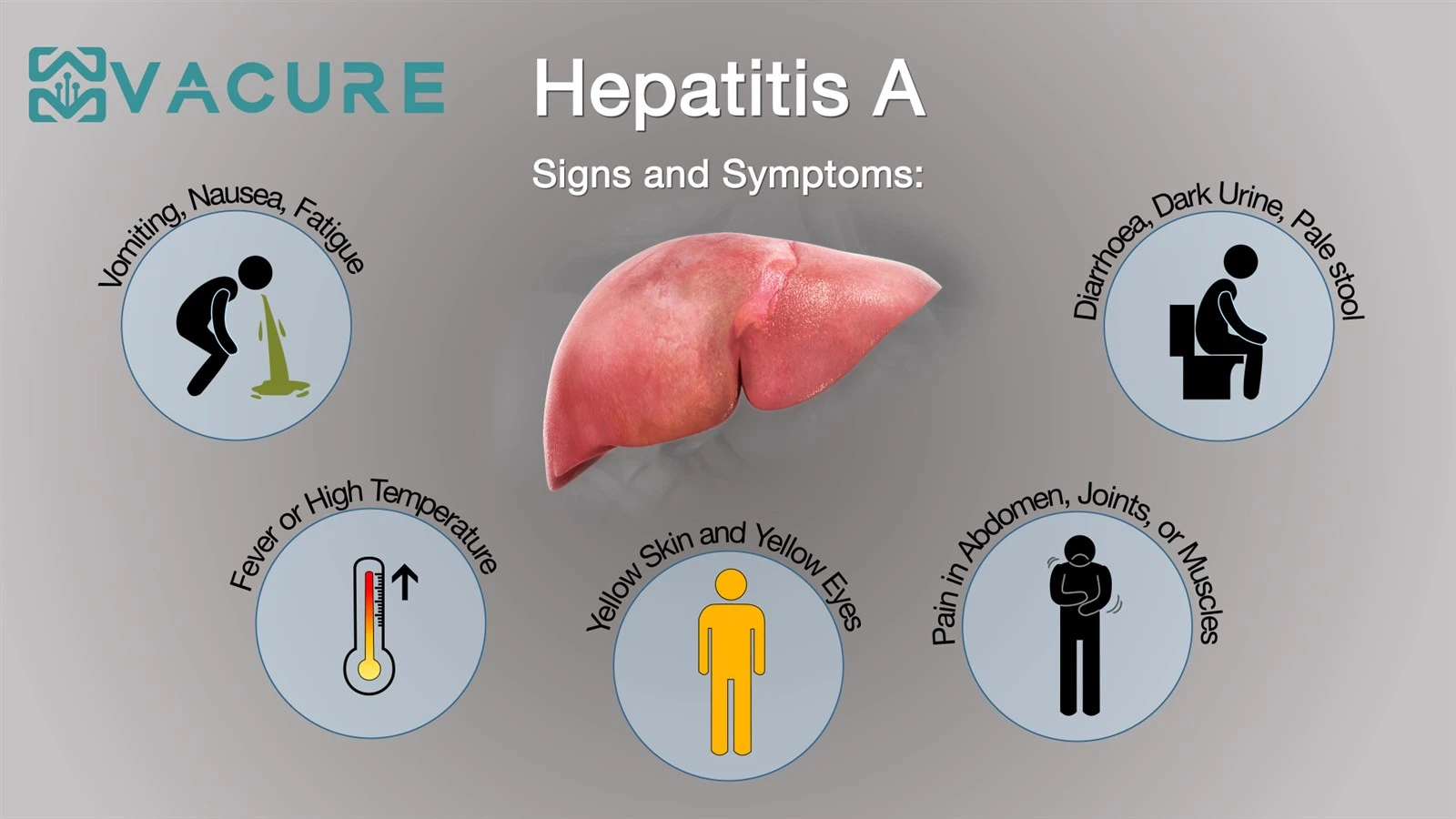
Early liver damage may have no obvious symptoms, or only poor appetite, indigestion, mild fatigue, and poor sleep. When the liver function cannot be compensated, serious complications and even life-threatening will occur. Toxins enter the brain, causing dizziness, mental decline, personality changes, and even coma.
The symptoms of hepatitis are quite diverse. Generally speaking, the more classic ones are symptoms related to the digestive tract, such as nausea and anorexia, loss of appetite, and vomiting may occur in severe cases. In addition, some patients may experience obvious fatigue, and obvious yellowing of the skin and sclera, all of which indicate liver function damage.
Note that,
Discomfort in the liver area cannot be directly equal to having hepatitis. What people think of as "liver area" actually refers to the upper right abdomen of the human body. In addition to the liver, this part has other organs such as gallbladder, intestines, diaphragm, abdominal wall, chest wall, etc. Therefore, if there is discomfort in the liver area, you need to be alert to hepatitis, but Sometimes cholecystitis and gallbladder stones can also cause pain in the so-called "liver area", so it cannot be generalized, and you need to go to the hospital for further examination.
Is hepatitis contagious?
Whether hepatitis is contagious depends on the type of hepatitis.
Most of the hepatitis that people often mention is viral hepatitis, which is contagious to a certain extent. The viral hepatitis we usually refer to includes hepatitis A, hepatitis B, hepatitis C and hepatitis E. Among them, hepatitis A and hepatitis E are both digestive tract infectious diseases, which may be caused by eating food or water contaminated by the virus; and hepatitis B and C. Sexually transmitted and blood-borne diseases, so it may be transmitted through sexual life or blood and mother to child, and is contagious.
However, some hepatitis is not clearly contagious, such as fatty liver caused by fat accumulation, liver damage caused by drugs, and autoimmune hepatitis.
What are the routes of transmission of viral hepatitis?
Different viral hepatitis transmission routes are different.
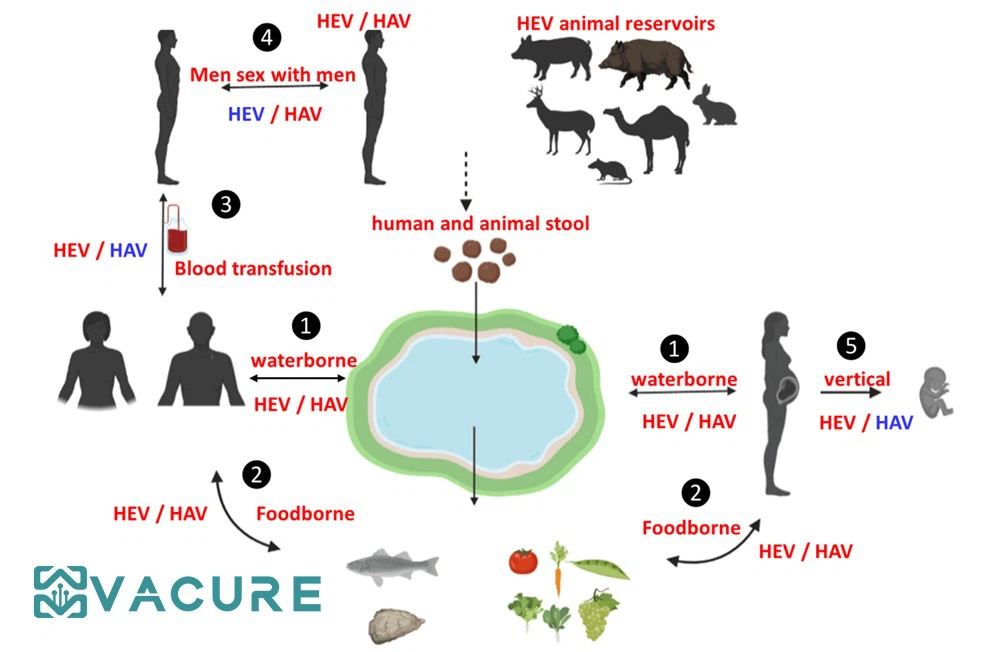 Hepatitis A virus (HAV) and hepatitis E virus (HEV) generally cause acute viral hepatitis, and their most common form of transmission is fecal-oral transmission. Eating food and water contaminated by HAV and HEV may cause hepatitis A Hepatitis and Hepatitis E. The main population of hepatitis A infection is children and adolescents, and winter and spring are the peak period of hepatitis A incidence.
Hepatitis B virus (HBV) and hepatitis C virus (HCV) are mainly transmitted through bodily fluids, including blood. There are many patients with hepatitis B, and the main routes of transmission include transfusion of unclean blood products, mother-to-child transmission, sexual transmission, and iatrogenic transmission.
Hepatitis D virus is a virus that relies on Hepatitis B virus for replication. Only infected with Hepatitis B virus may suffer from Hepatitis D virus.
What needs to be emphasized is that daily contact such as mosquito bites, eating together, shaking hands and hugging each other will not spread and infect hepatitis B, C and D.
What are the effects of hepatitis on our health
 ★Cause mental stress
The course of hepatitis is relatively long, and the treatment is relatively difficult, which will affect work and study, and cause great mental pressure. Due to the relatively high difficulty of disease treatment, the economy will have a certain burden.
★Affect normal life
Hepatitis will cause the patient to have symptoms of general fatigue, so it will cause a lot of inconvenience to normal study and work.
★Damage to the liver
Hepatitis will have a great impact on the patient's liver health. Without effective treatment, it will gradually develop into cirrhosis or chronic hepatitis, which will damage the patient's liver health and increase the risk of liver cancer.
★Invasion of other organs and tissues
Hepatitis will invade the surrounding organs and tissues, causing local tissues and organs to become lesions, and in severe cases, it will induce complications such as diabetes, fatty liver, and polyneuritis.
How to prevent viral hepatitis?
To prevent hepatitis, start with vaccination!
 In order to control the prevalence of viral hepatitis, a comprehensive prevention and control strategy that focuses on vaccination and combines prevention and treatment is adopted. Vaccination is the most economical and effective way to prevent diseases.
At present, some hepatitis can be prevented through vaccination, such as hepatitis A, hepatitis B, and hepatitis E.
Take the hepatitis B vaccine as an example: WHO recommends that newborn babies be vaccinated and children and adolescents who were not vaccinated during infancy catch up with the hepatitis B vaccine.
For adults, vaccination is recommended for those at risk of HBV infection. In other words, as long as you have not been vaccinated against hepatitis B, or are negative for hepatitis B antibodies, no matter how old you are, it is recommended to be vaccinated against hepatitis B.
However,there are also some hepatitis diseases that currently have no mature methods to prevent them. For example, there is currently no effective vaccine for hepatitis C, and it usually requires early detection and early treatment after infection.
 Hepatitis A and E
Spread through the digestive tract, and the focus of prevention is to strengthen the management of feces and water sources to prevent "disease from entering the mouth". Pay attention to developing good living hygiene habits in daily life; drink clean water, shellfish, shrimp, crab and other seafood and meat products should be cleaned and cooked thoroughly; cooking utensils should be separated from raw and cooked; do not buy food from roadside stalls where hygiene is difficult to ensure wait.
Hepatitis B,C,and D
The focus of prevention is to prevent transmission through body fluids. Pay attention to personal hygiene, do not share razors, tooth sets, tableware and other supplies.

In summary, develop good living habits, do not stay up late, eat a low-fat diet, exercise moderately, and have regular physical examinations. After patients learn about their illness, they should actively popularize protection knowledge for their families and do a good job in protection to prevent family members from being infected. Hepatitis virus, early detection, early treatment and early recovery.