



October 20 is World Osteoporosis Day. This year's theme is Bulid Better Bones. It is a global call to raising awareness about osteoporosis and taking proactive preventive measures.

With an increase in longevity and an aging population, osteoporosis is becoming a global epidemic. Osteoporosis causes more than 8.9 million fractures annually, resulting in a fracture every three seconds around the world.
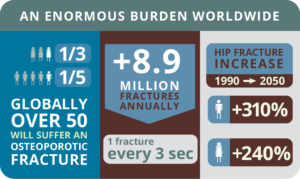
We firmly believe that by raising awareness about osteoporosis and taking proactive preventive measures as bellow, everyone has the opportunity to have strong bones and reduce the risk of osteoporosis.
What is osteoporosis?
What are the causes of osteoporosis?
Symptoms of osteoporosis
Who are at high risk for osteoporosis?
Common misunderstandings about osteoporosis
How to prevent osteoporosis in life?
What is osteoporosis?
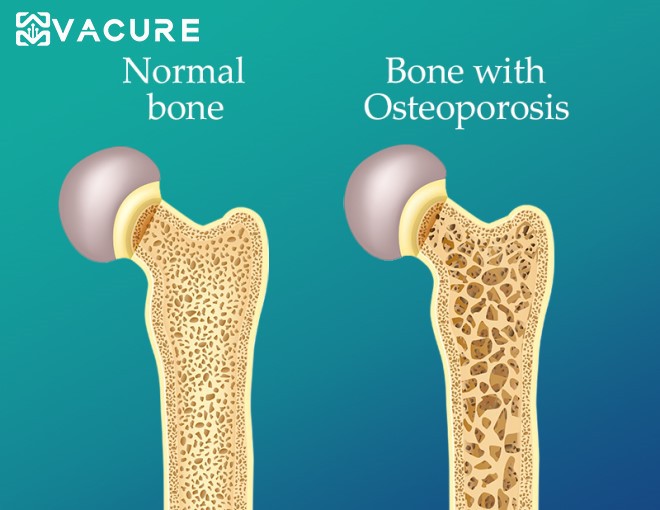 Osteoporosis is a systemic bone metabolic disease characterized by low bone mass and micro structural destruction of bone tissue and the most common bone disease, affecting one in three women and one in five men over the age of 50 worldwide.
The clinical consequence of osteoporosis is fragility fractures. It has been shown that an initial fracture is a major risk factor for a new fracture. With the rapid ageing of the population worldwide and the changes in lifestyle habits, the incidence of osteoporosis and related fractures has significantly increased and will continue to increase markedly in the future. Due to its prevalence worldwide, osteoporosis is considered a serious public health concern.
It has become an "epidemic" in recent years and is known as the "silent killer". Bone mass is lost silently as the time goes by :
30 years old to 35 years old: Bone mass begins to lose;
36 years old to 49 years old: Slow reduction;
50 years old to 69 years old: Rapid reduction;
Over 70 years old: Continuous reduction.
What are the causes of osteoporosis?
Osteoporosis is caused by reduced bone formation and increased bone resorption.
Basic cause
Menopause, old age, idiopathic and secondary steoporosis.
After menopause, due to the decrease in estrogen levels, osteoclasts cannot be effectively inhibited, resulting in the rapid decomposition and absorption of bone cells.
In the elderly, due to factors such as the decrease in sex hormones and the decrease in the ability to absorb other nutrients.
Osteoporosis is divided into two categories: primary and secondary. Primary osteoporosis includes postmenopausal osteoporosis (type I), senile osteoporosis (type II), and idiopathic osteoporosis (including juvenile type). Secondary osteoporosis refers to osteoporosis caused by any disease or drug that affects bone metabolism and other clear causes. Osteoporosis in the elderly is generally primary, while osteoporosis in young people is generally secondary.Secondary due to diseases or drugs that affect bone metabolism.
Predisposing factors
Smoking, alcoholism, drinking too many caffeinated drinks,long-term bed rest, reduced sunshine, calcium deficiency, vitamin D deficiency, high-sodium diet, etc.
Symptoms of osteoporosis
 Pain.
Pain.
The most common symptoms of osteoporosis are low back pain, which accounts for 70% to 80% of pain patients. The pain is relieved when lying on the back or sitting, and the pain is aggravated when standing upright, extending or standing or sitting for a long time, bending over, and Coughing. Aggravated by straining during defecation. Osteoporosis in the elderly causes vertebral body compression and deformation, spinal flexion, muscle fatigue and even spasm, causing pain.
Shortening of body length, hunchback, and spinal deformation.
Patients with severe osteoporosis may suffer from spinal deformities such as short stature or hunchback due to vertebral compression fractures.
Fracture
Fracture is the most common and serious complication of degenerative osteoporosis. Multiple thoracic compression fractures can lead to thoracic deformity and even affect cardiopulmonary function; severe lumbar compression fractures may cause abnormal abdominal organ function, causing constipation, abdominal pain, bloating, loss of appetite and other discomforts.
Who are at high risk for osteoporosis?
People with small frame and low bone mass.
They are born with low bone mass and will suffer from osteoporosis at an earlier age. It is recommended that starting from the age of 30, eat more calcium-containing foods such as dairy products, exercise more, and increase the risk of osteoporosis. Bone mass reserve.
People with " smoked" bones
They have low density.
Every 10 years of smoking in women, bone mineral density decreases by 2.3%-3.3%. In menopausal women, this risk is greater. Therefore, the sooner you quit smoking, the better.
People with wine soaks bones
It makes them brittle: Alcohol can cause minerals such as calcium and magnesium to be lost from bones, causing bones to become brittle. The more you drink, the greater the risk. To protect your bones in the future, be sure to limit or quit drinking.
Menopause women
Low estrogen levels can easily lead to menstrual disorders or early amenorrhea in women, and can also directly lead to bone loss. Eating disorders, excessive weight loss, and polycystic ovary disease can all cause low estrogen in women.
Are women more susceptible to osteoporosis?
Yes! The incidence of osteoporosis in women is 6 to 10 times that of men. This is due to differences in bone growth and development, hormonal changes, and exercise intensity between women and men. Year-round makeup and excessive sun protection affect the synthesis of vitamin D. Therefore, women must pay more attention to their own bone health.
Elder people
Old bones, check regularly: The risk of osteopenia increases with age, and the risk of osteopenia increases for people over 50 years old. It is recommended that after the age of 50, bone density should be measured regularly and problems should be treated promptly.
When taking medicine for bone, please note: Long-term use of adrenocorticoid drugs can disrupt hormone levels, leading to the loss of nutrients such as calcium and vitamin D in bones; thyroxine and antidepressants can also easily cause bone loss. Special attention should be paid to changes in bone density while taking these medications.
Common misunderstandings
Q: Is drinking coffee and soda more likely to cause osteoporosis?
A: Yes.
 People who drink stimulating drinks such as coffee and cola will accelerate bone loss, which is equivalent to "overdrawing" calcium in advance. The chance of suffering from osteoporosis is several times higher than that of ordinary people.
Studies have shown that excessive coffee intake can lead to increased bone loss and the occurrence of osteoporosis, which is particularly prominent in postmenopausal women. Carbonated drinks contain a large amount of phosphoric acid. If taken in excess, it will seriously affect the body's absorption of calcium, leading to an imbalance in the proportion of calcium and phosphorus in the body, and subtly affecting the bone marrow. In addition, long-term consumption of carbonated drinks has a greater impact on children whose bones have not yet fully developed. Some data show that teenagers who regularly drink large amounts of carbonated drinks have a risk of fracture that is three times higher than that of other teenagers.
Q: Can patients with osteoporosis not exercise?
A: No.
The occurrence of osteoporosis is mostly related to a lack of sun exposure, lack of exercise, and unhealthy diet. Regular exercise can effectively prevent osteoporosis. It is recommended that everyone ensures that they have one hour of outdoor time every day. You can walk, walk, ride a bicycle, or play ball. "
Outdoor exercise can not only improve bone metabolism and strengthen muscles, but also allow bones to store more nutrients. In addition, it also allows you to spend more time in the sun, which can promote the absorption of calcium and vitamin D in the body, so that bone mass can gradually increase.
However,people who already have osteopenia or osteoporosis should avoid forward bending, excessive rotation, or high-impact aerobic exercise.
Q: Can drinking bone broth supplement calcium?
 Does Calcium Supplement Treat Osteoporosis?
A: No.
In clinical practice, we often encounter middle-aged and elderly citizens who like to buy bone soup to make calcium supplements. Bone soup contains nutrients such as protein, collagen, and amino acids, which can help enhance the body's immunity and promote recovery, but the calcium content is not high.
Q: Will osteoporosis develop quickly if you wear makeup and sunscreen all year round?
A: Yes.
Osteoporosis is often considered a disease of middle-aged and elderly people, but now more and more young people in their twenties and thirties are suffering from osteoporosis early on, and they may suffer fractures if they are not careful.
Q: “Preventing osteoporosis starts with the elderly?
A: No.
Doctors remind that osteoporosis is not a "patent" for the elderly. If young people usually neglect exercise, have an unbalanced diet, have low calcium intake, and do not change their bad habits, they will not be able to achieve the ideal peak bone mass and quality, which will give rise to osteoporosis, especially in young people. female.
How to prevent osteoporosis
Osteoporosis is preventable and treatable.
● Early rapid test,like 25-OH Vitamin D blood test ,early discovery, and early intervention are effective means to prevent fragility fractures.
.
 ● Avoid unhealthy lifestyles
Avoid excessive salt intake, smoking, alcohol abuse, coffee drinking and excessive carbonated drinks. When using diuretics, tetracyclines, isoniazid, anti-cancer drugs, prednisone and other drugs, you must follow your doctor's instructions carefully, and pay attention to monitoring bone density.
● Moderate muscle strength training
People of all ages need to engage in moderate exercise to increase muscle strength, balance and agility. Young people are suitable for skipping rope, jogging or swimming, at least 2 to 3 times a week; older people can choose brisk walking, Tai Chi, etc., 3 times a week. People at risk of fractures should avoid jumping, bending the spine, and carrying heavy objects.
● Supplement calcium and vitamin D
The recommended daily calcium intake for adults is 800 mg, and for postmenopausal women and the elderly, the recommended daily calcium intake is 1,000 mg. Recommended foods high in calcium include: dairy products, fish, shrimps and crabs, beans, nuts, etc. In the case of insufficient dietary calcium intake, timely and appropriate supplementation of calcium preparations is also an effective measure to improve the body's calcium nutritional status.
● Learn to get enough sun every day
To supplement calcium, you need to get enough sunlight after taking vitamin D. The best time is before 10 a.m. and after 4 p.m.
●Perimenopausal women and other high-risk groups should undergo relevant screening in a timely manner to prevent further development of severe osteoporosis.
Osteoporosis prevention and management is important and people need to take proactive action to protect their bone health to ensure a healthier and more fulfilling future life. Timely supplementation of calcium, active exercise, and diet control are all good ways to stay away from osteoporosis. Live a healthier and more energetic life.